About Qigong
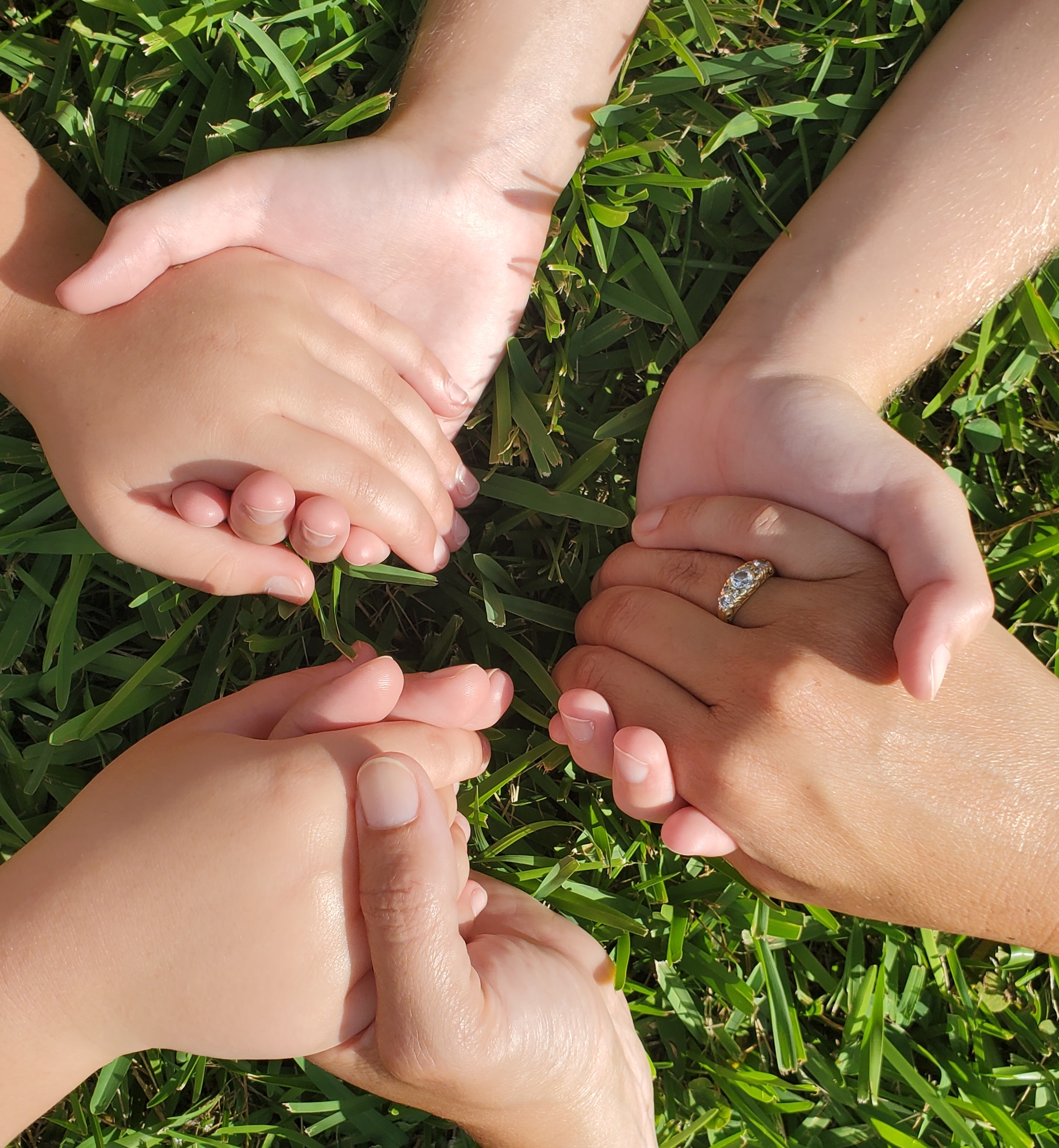

The art of Qigong began 5000–8000 years ago in China. After working in fields, people recreated movements through dance which were witnessed in nature. They discovered various movements were helpful for specific ailments. Eventually, most villages practiced their own basic form of Qigong passing it down through the generations. As it was used for healing, meditation, and protecting their region, these skills were often kept secret within each village or family. Thousands of interpretations of the various movements, skills, and specialties continue to this day.
During China’s Cultural Revolution in the mid 1900s, many practitioners were forced to become even more secretive. Only recently has Qigong become available for the masses through immigration and globalization.
Just as birds have different calls and habits, Qigong has as many different interpretations. However, the basic principles should be similar.
Qigong is a versatile practice that can be modified to the individual’s needs and abilities. Movements range from gentle and meditative to explosive and dynamic with repetitions varying from once to several hundred.
Qigong studies the “inner space” as much as external movement. To understand the flow of energy, practitioners often use nature-based metaphors for the body’s internal systems:
| Internal Element | Metaphoric Equivalent | Function in Practice |
|---|---|---|
| Organs | Lakes | Storage and regulation of emotional and physical health. |
| 12 Meridians | Rivers | Channels through which energy flows to sustain functionality. |
| Dantiens | Oceans | The primary reservoirs or centers of energy. |
| 8 Extraordinary Meridians | Ocean Currents | Deep pathways that regulate the overall energy field. |
As part of the human experience, everyone encounters physical, mental, or emotional pain. If pain becomes prolonged, whether from an acute event or chronic stress, the body, mind, or emotions can be adversely affected.
Western medicine, including the VA, has embraced Qigong as a substantial mind/body complementary mode for health. Research has shown positive results for:
Every person’s experience of life is different, and the path to healing is unique. By consistently using breath, movement, and mindfulness in tandem, you can unlock the potential to aid your body, mind, and emotions.
For further studies, visit the National Qigong Association or the Qigong Institute.